


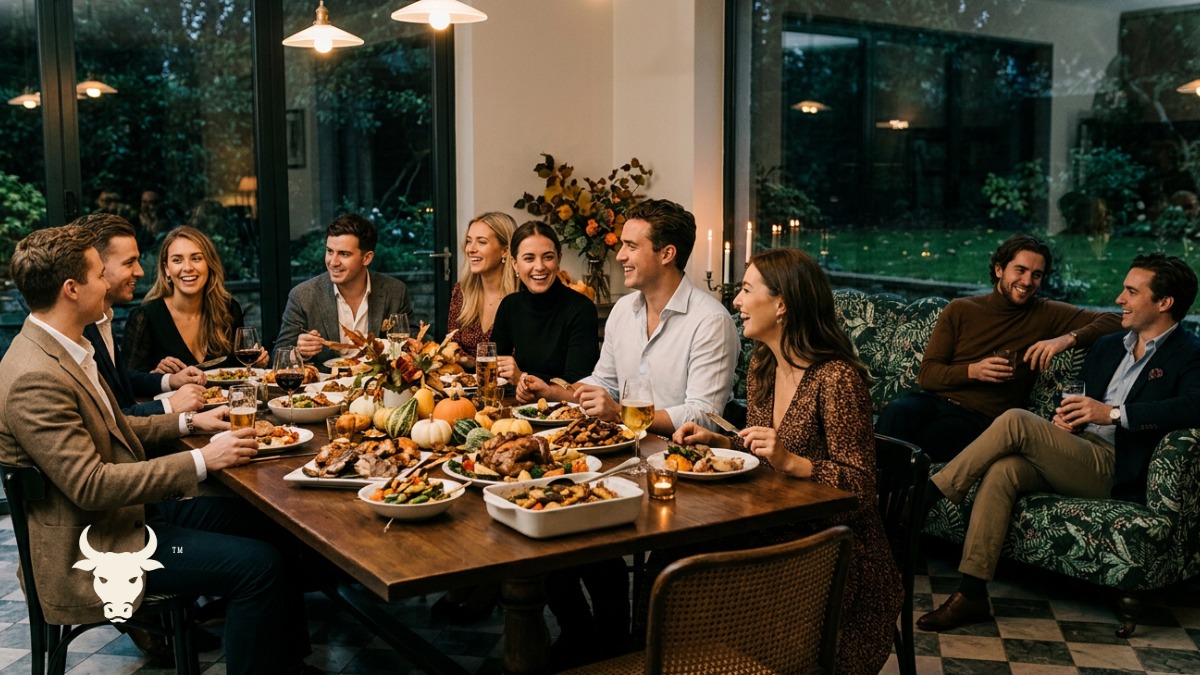
Seven Countries, Seven Dishes – A Halloween Celebration of Food
As autumn settles in and Halloween approaches, entertaining takes on a different character. Evenings become longer, dining tables feel more inviting, and the season brings an opportunity to explore richer flavours, beautiful ingredients and dishes worth sharing.
This Halloween, we’re celebrating the pleasure of cooking for others with seven exceptional meat dishes inspired by the culinary traditions of Chile, Georgia, Morocco, Hungary, Turkey, New Zealand and China. Each brings its own distinctive flavours, ingredients and cooking techniques, offering fresh inspiration for those who enjoy creating something memorable for family and friends.
At the heart of every recipe is the quality of the meat. Ireland’s lush green pastures, grass-fed cattle and sheep, and generations of farming expertise provide an extraordinary foundation for cooking. From beautifully marbled Irish beef to succulent lamb, carefully selected pork and quality Irish poultry, exceptional ingredients allow even the simplest preparations to shine.
Our collection brings together the best of both worlds, authentic international recipes prepared with premium Irish meat from Butcher.ie. Discover the generous, vibrant flavours of Chilean Chorrillana, the fragrant herbs of Georgian Chakapuli, the warming spices of Moroccan Rfissa and the beautifully glazed pork belly of China’s Hong Shao Rou.
These are dishes chosen not simply for their flavour, but for the experience of preparing, presenting and sharing them. Some are wonderfully generous and rustic, others beautifully refined, but each offers something distinctive for an autumn gathering.
Whether you’re planning an elegant dinner party, a relaxed evening with friends or a beautifully laid table for the family, we hope these seven recipes inspire you to explore new flavours, enjoy the finest Irish ingredients and make the most of the season.
Seven countries. Seven culinary traditions. Exceptional Irish meat. One beautifully memorable Halloween.
Chilean Chorrillana
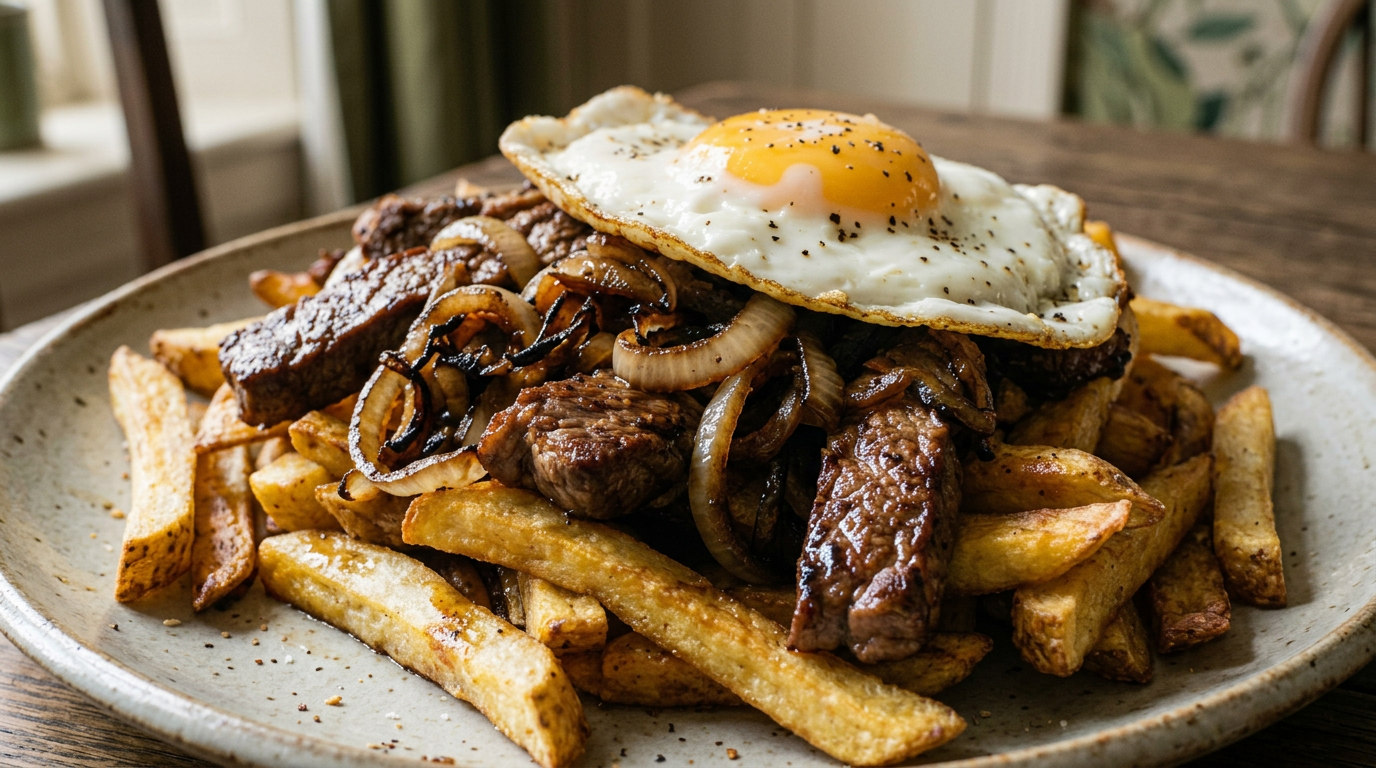
Few dishes capture the generous spirit of Chilean cooking quite like Chorrillana. Originating in the colourful port city of Valparaíso, this much-loved dish brings together tender strips of beef, golden chips, sautéed onions and fried eggs, served on a generous platter at the centre of the table.
Traditionally enjoyed in Chilean restaurants and bars, Chorrillana is a celebration of simple ingredients brought together beautifully. It’s wonderfully sociable, full of flavour and particularly well suited to Halloween entertaining, where a generous sharing dish can become the centrepiece of a relaxed evening with friends.
For our version, we’re using premium Irish striploin steak from Butcher.ie. Beautifully tender, with natural marbling and a rich, distinctive flavour, Irish striploin is an excellent choice for this dish. Quickly seared over a high heat, the beef develops a delicious caramelised crust while remaining wonderfully juicy inside.
The combination of succulent Irish beef, sweet golden onions, crisp potatoes and rich egg yolks creates a dish that’s both comforting and indulgent, with every ingredient playing its part.
Ingredients
Serves 4 as a generous sharing dish
- 600g 28 Day Aged Irish Striploin Steak from Butcher.ie
- 1kg Rooster or Maris Piper potatoes
- 3 large onions, thinly sliced
- 4 free-range eggs
- 3 garlic cloves, finely chopped
- 2 tablespoons olive oil
- Vegetable oil for frying
- Sea salt and freshly ground black pepper
- Fresh flat-leaf parsley, finely chopped
Method
1. Prepare the potatoes
Peel the potatoes and cut into thick chips. Rinse under cold water to remove excess starch, then dry thoroughly with a clean kitchen towel.
Heat the frying oil to 150°C and cook the chips in batches for 5–7 minutes until softened but not coloured. Remove and drain. Increase the oil temperature to 185°C and fry again until beautifully golden and crisp. Season lightly with sea salt.
2. Slowly cook the onions
Heat a tablespoon of olive oil in a large frying pan over a medium-low heat. Add the sliced onions and cook gently for 15–20 minutes, stirring occasionally, until softened and golden. Add the garlic for the final minute, then remove from the pan and keep warm.
3. Sear the Irish striploin
Slice the striploin into strips approximately 1cm thick, cutting against the grain.
Heat the remaining olive oil in a heavy frying pan until very hot. Season the beef generously with sea salt and freshly ground black pepper.
Sear in small batches for approximately 1–2 minutes per side, depending on thickness, allowing the meat to develop a rich brown crust without overcrowding the pan. Set aside briefly to rest.
4. Fry the eggs
In a separate frying pan, cook the eggs sunny-side up, keeping the yolks soft and golden.
5. Assemble the Chorrillana
Arrange the freshly cooked chips across a large, warmed serving platter. Spoon over the golden onions, followed by the seared strips of Irish striploin.
Place the fried eggs on top and finish with a scattering of fresh parsley and freshly ground black pepper.
Bring the platter straight to the table and serve immediately.
The Butcher.ie Touch
The secret to an exceptional Chorrillana is the beef. A quality Irish striploin has the tenderness needed for quick cooking, while its natural marbling brings richness to every bite.
For the best result, remove the steak from the fridge around 20 minutes before cooking, pat it dry thoroughly and use a properly heated pan. Cooking the beef in batches ensures a beautiful sear without losing its natural juices.
Serving Suggestions & Drinks Pairings
Serve Chorrillana on a large, warmed ceramic platter, allowing guests to share from the centre of the table. A simple rocket salad with a light lemon dressing provides a refreshing contrast to the richness of the beef, golden potatoes and fried eggs.
Wine Pairing – Chilean Carménère
For a truly Chilean experience, pair this dish with a Carménère from the Colchagua Valley. Its velvety texture, ripe blackberry and plum notes, and subtle hints of pepper and spice complement the richness of the Irish striploin beautifully.
Choose a medium-bodied expression with gentle oak influence, allowing the flavours of the beef to remain the star of the table.
Non-Alcoholic Pairing – Blackberry, Rosemary & Lime Spritz
A refreshing combination of muddled blackberries, fresh rosemary, lime juice and sparkling water. The dark berry flavours complement the richness of the beef, while the lime’s bright acidity cuts through the golden potatoes and fried eggs.
Serve over ice in a tall glass, garnished with a sprig of rosemary and a few fresh blackberries. It’s an elegant alcohol-free alternative that feels every bit as considered as the wine pairing.
With its vibrant flavours, generous presentation and beautifully tender Irish beef, Chorrillana brings a taste of Chilean hospitality to the Halloween table. Paired with a beautifully chosen wine or a refreshing alcohol-free spritz, it’s a dish that invites everyone to gather, share and savour the occasion. Proof that exceptional Irish ingredients can take you somewhere quite extraordinary without ever leaving your own kitchen.
Georgian Lamb Chakapuli
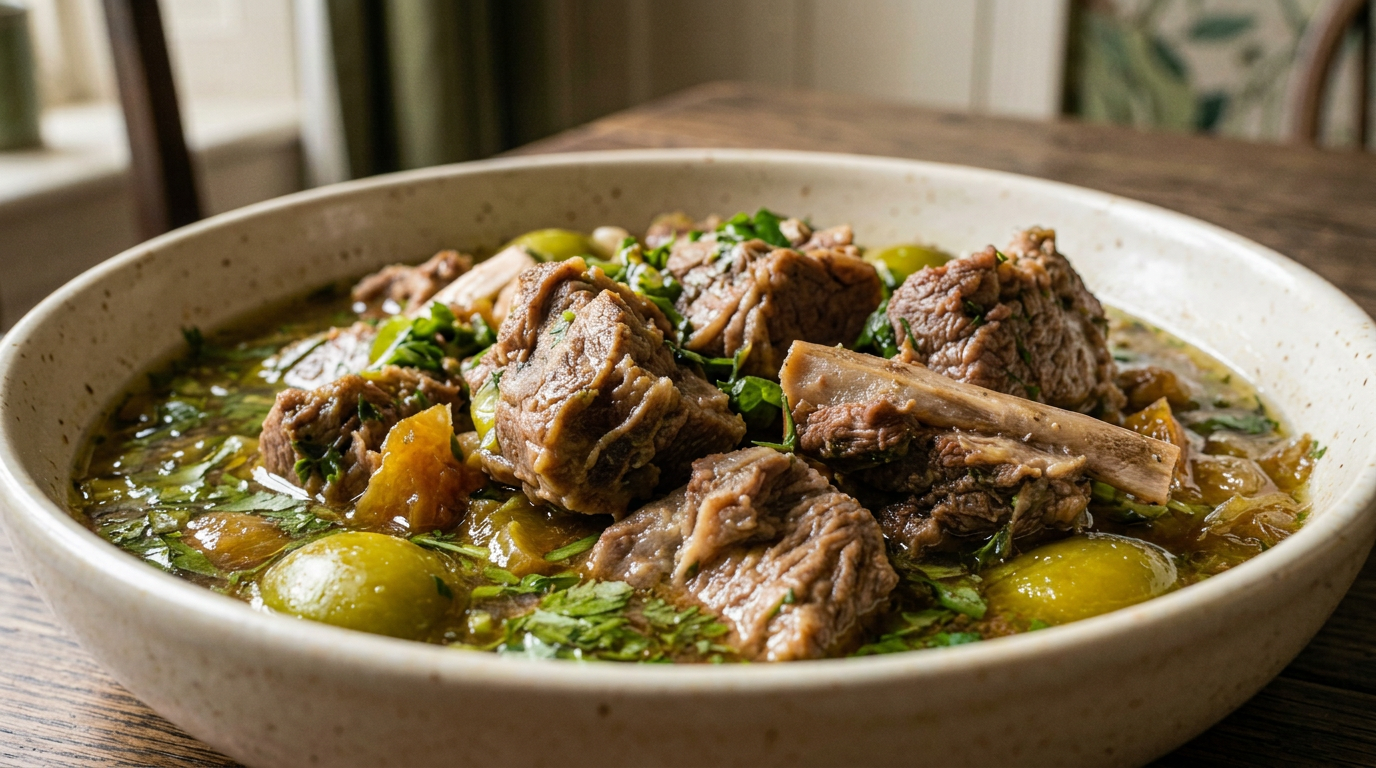
Few dishes celebrate the fresh, fragrant flavours of Georgian cooking quite like Chakapuli. This traditional dish brings together tender lamb, generous handfuls of fresh herbs, spring onions, white wine and the distinctive tartness of green plums, creating a beautifully aromatic dish that is both rich and refreshing.
Chakapuli is particularly associated with spring celebrations and Easter in Georgia, when fresh herbs and sour green plums are in season. Its vibrant flavours, however, make it equally appealing for autumn entertaining, offering something wonderfully different from the heavier meat dishes traditionally enjoyed during the colder months.
For our version, we’re using premium Irish diced leg of lamb from Butcher.ie. Naturally tender, with a delicate richness and beautifully developed flavour, Irish lamb provides an excellent foundation for the fresh herbs, wine and gentle acidity that define this Georgian speciality.
The result is an elegant, fragrant lamb dish with a wonderfully balanced sauce, ideal for serving at a beautifully laid Halloween dinner table.
Ingredients
Serves 4 as a main course
- 800g Irish Diced Leg of Lamb from Butcher.ie
- 200ml dry white wine
- 150g sour green plums, or tart green plums if available
- 1 large bunch fresh tarragon, roughly chopped
- 1 large bunch fresh coriander, roughly chopped
- 1 small bunch fresh parsley, roughly chopped
- 6 spring onions, finely sliced
- 3 garlic cloves, finely chopped
- 1 green chilli, finely sliced
- 150ml water or light lamb stock, if needed
- Sea salt and freshly ground black pepper
Method
1. Prepare the lamb
Remove the diced lamb from the fridge around 20 minutes before cooking. Pat dry with kitchen paper and season lightly with sea salt and freshly ground black pepper.
2. Prepare the herbs and aromatics
Wash and dry the tarragon, coriander and parsley before roughly chopping. Finely slice the spring onions and green chilli, and chop the garlic.
Reserve a small handful of the herbs for finishing the dish.
3. Layer the ingredients
Arrange half the lamb in the bottom of a heavy-based casserole or Dutch oven. Scatter over half the spring onions, garlic, chilli, herbs and green plums.
Add the remaining lamb and finish with the rest of the aromatics, herbs and plums.
Pour over the white wine.
4. Slowly cook the Chakapuli
Cover with a tight-fitting lid and place over a low heat. Allow the ingredients to simmer gently for approximately 1½–2 hours, or until the lamb is beautifully tender.
Check occasionally to ensure there is sufficient liquid, adding a little water or light lamb stock if necessary.
Unlike many European lamb casseroles, Chakapuli is traditionally cooked without browning the meat first, allowing the delicate flavours of the herbs, wine and fruit to develop together.
5. Finish the sauce
Once the lamb is tender, taste the cooking liquid and adjust the seasoning.
The sauce should be fragrant, gently acidic and rich with the natural juices of the lamb. If using plums with stones, remove the stones before serving where practical.
Scatter over the reserved fresh herbs immediately before bringing to the table.
The Butcher.ie Touch
The beauty of Chakapuli lies in allowing the natural flavour of quality lamb to shine through its fresh, aromatic ingredients.
Our Irish diced leg of lamb is particularly well suited to this recipe, offering tender, lean pieces that absorb the delicate flavours of tarragon, coriander and white wine.
The key is gentle cooking. Avoid boiling the lamb vigorously, as a slow, steady simmer helps preserve its tenderness while allowing the herbs and tart plums to create a beautifully balanced sauce.
Serving Suggestions & Drinks Pairings
Serve Chakapuli in a shallow ceramic bowl or elegant serving dish, allowing the fragrant broth to surround the tender pieces of lamb. Warm crusty bread is a wonderful accompaniment, perfect for soaking up the herb-infused sauce.
For a more substantial dinner, serve alongside simple steamed potatoes or lightly buttered rice, allowing the distinctive flavours of the Chakapuli to remain the focus.
Wine Pairing – Georgian Rkatsiteli
For an authentic Georgian pairing, choose a dry Rkatsiteli white wine. Its crisp acidity, fresh orchard-fruit notes and subtle mineral character complement the lamb beautifully while echoing the freshness of the herbs and tart plums.
A lightly textured, traditionally made Georgian amber wine can also be an interesting choice, particularly for guests who enjoy exploring unusual wines.
Non-Alcoholic Pairing – Green Apple, Tarragon & Elderflower Spritz
A delicate combination of cloudy green apple juice, a little elderflower cordial, fresh tarragon and chilled sparkling water.
The crisp acidity of the apple complements the tart plums, while the tarragon echoes the aromatic herbs in the dish.
Serve well chilled over ice in a tall glass, finished with a thin slice of green apple and a fresh sprig of tarragon.
With its delicate balance of tender Irish lamb, fragrant herbs and bright, refreshing acidity, Chakapuli brings a distinctive taste of Georgian hospitality to the Halloween table. It’s a dish that rewards thoughtful preparation and exceptional ingredients, offering guests an opportunity to discover one of Georgia’s most celebrated culinary traditions.
Moroccan Chicken Rfissa
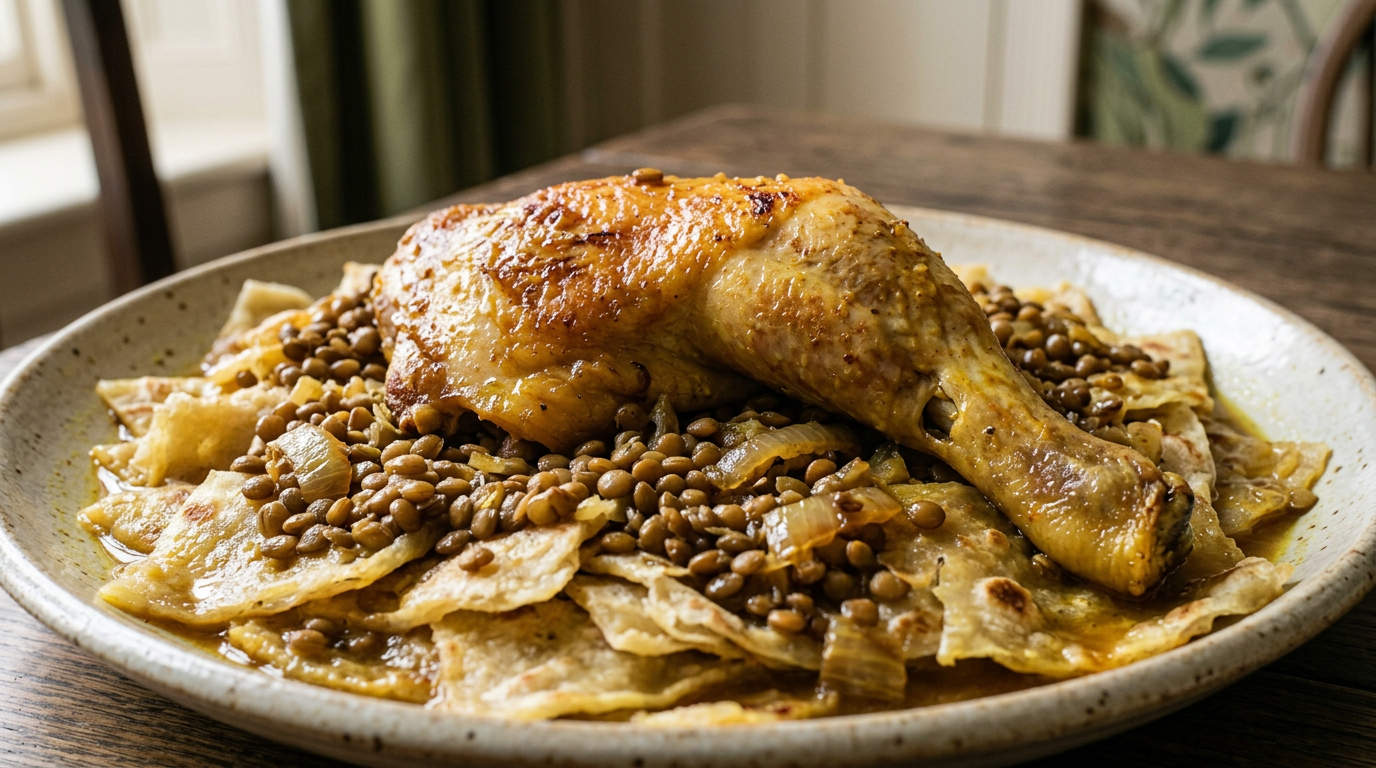
Few dishes embody the warmth and generosity of Moroccan hospitality quite like Rfissa. This traditional Moroccan speciality brings together tender, slow-cooked chicken, fragrant spices, lentils and delicate layers of shredded flatbread, all generously dressed in a beautifully aromatic broth.
Traditionally prepared for family celebrations and special occasions, Rfissa is particularly associated with welcoming new mothers and gathering loved ones around the table. Its distinctive flavour comes from the combination of ginger, turmeric, saffron and fenugreek, creating a wonderfully fragrant dish that is both comforting and full of character.
For our version, we’re using a premium Irish free-range whole chicken from Butcher.ie. Slowly simmered with onions and warming spices, the chicken becomes beautifully tender, while its natural juices enrich the broth and bring depth to every spoonful.
Served on a generous platter with delicate ribbons of Moroccan flatbread, Rfissa makes a striking centrepiece for Halloween entertaining, offering guests an opportunity to experience one of Morocco’s most cherished culinary traditions.
Ingredients
Serves 4–6 as a main course
For the Chicken and Broth
- 1 Large Free Range Whole Chicken from Butcher.ie, approximately 1.8–2kg, jointed into pieces
- 3 large onions, thinly sliced
- 150g dried green or brown lentils, rinsed
- 4 garlic cloves, finely chopped
- 3 tablespoons olive oil
- 1 teaspoon ground ginger
- 1 teaspoon ground turmeric
- ½ teaspoon freshly ground black pepper
- ½ teaspoon saffron threads, soaked in 2 tablespoons warm water
- 1 teaspoon fenugreek seeds, preferably soaked for 30 minutes
- 1 small bunch fresh coriander, tied with kitchen string
- 1 small bunch fresh parsley, tied with kitchen string
- 750ml water or light chicken stock, plus extra if needed
- Sea salt to taste
For the Flatbread
- 6–8 Moroccan msemen flatbreads, homemade or shop-bought
- 30g melted butter, optional
Method
1. Prepare the chicken
Pat the chicken pieces dry with kitchen paper. Season lightly with sea salt, black pepper, ginger and turmeric, ensuring the spices are distributed evenly.
Allow the chicken to rest for approximately 15 minutes while preparing the remaining ingredients.
2. Build the aromatic base
Heat the olive oil in a large, heavy-based casserole over a medium heat.
Add the sliced onions and cook gently for 8–10 minutes until softened and translucent, without allowing them to brown excessively.
Stir in the garlic, saffron and its soaking liquid, followed by the fenugreek seeds.
3. Cook the chicken
Arrange the seasoned chicken pieces over the onions and turn gently to coat them in the aromatic mixture.
Add the tied bunches of coriander and parsley, followed by the water or chicken stock.
Bring to a gentle simmer, cover and cook over a low heat for approximately 25 minutes.
4. Add the lentils
Stir in the rinsed lentils, ensuring they are submerged in the cooking liquid.
Continue simmering gently for another 25–35 minutes, until the lentils are tender and the chicken is cooked through, reaching a minimum internal temperature of 75°C at the thickest part.
Add a little additional hot water if necessary. The finished broth should remain generous and pourable rather than reducing to a thick sauce.
5. Prepare the Moroccan flatbread
Warm the msemen flatbreads in a dry frying pan or low oven until soft and pliable.
Using your hands or kitchen scissors, tear or cut them into thin ribbons and arrange loosely across a large, warmed serving platter.
Drizzle lightly with melted butter if desired.
6. Assemble the Rfissa
Remove the herb bundles from the casserole.
Arrange the chicken pieces over the shredded flatbread, then spoon the lentils and softened onions around the meat.
Generously ladle the fragrant broth over everything, allowing the flatbread to absorb the rich cooking juices.
Finish with a little freshly chopped coriander and serve immediately.
The Butcher.ie Touch
The quality of the chicken makes a wonderful difference to Rfissa. A carefully reared Irish free-range chicken offers excellent flavour, particularly when cooked slowly on the bone, allowing its natural juices to enrich the aromatic broth.
Using a whole chicken rather than boneless fillets is especially important for this recipe. The bones and skin contribute depth and richness to the cooking liquid, while the different cuts provide a lovely variety of textures.
For the best results, ask your butcher to joint the chicken into manageable portions, keeping the bones intact.
Serving Suggestions & Drinks Pairings
Present Rfissa on a large, shallow ceramic platter, with the golden chicken arranged over the delicate layers of flatbread and the fragrant lentil broth spooned generously across the dish.
A simple salad of cucumber, tomato, parsley and lemon provides a refreshing contrast to the warm spices.
For a particularly beautiful Halloween table, serve alongside small bowls of Moroccan olives, toasted almonds and fresh herbs.
Wine Pairing – Moroccan Syrah
A Moroccan Syrah from the Meknès region makes an excellent accompaniment. Look for a medium-bodied wine with ripe dark-fruit flavours, gentle peppery spice and soft tannins.
The wine’s subtle warmth complements the ginger, turmeric and saffron without overwhelming the delicate flavour of the chicken.
Alternatively, a lightly oaked Chardonnay offers a softer pairing for guests who prefer white wine.
Non-Alcoholic Pairing – Pomegranate, Orange Blossom & Mint Spritz
Combine chilled pomegranate juice with a squeeze of fresh lemon, a few drops of food-grade orange blossom water and sparkling water.
Serve over ice with fresh mint leaves and a scattering of pomegranate seeds.
The bright acidity of the pomegranate balances the richness of the chicken and flatbread, while the floral orange blossom brings a delicate Moroccan-inspired fragrance.
With its beautifully tender Irish chicken, aromatic spices and generous layers of flatbread, Rfissa brings the warmth of Moroccan hospitality to the Halloween table. Rich in tradition and wonderfully suited to sharing, it’s a dish that transforms carefully chosen ingredients into a memorable dining experience, inviting guests to discover the flavours and culinary heritage of Morocco.
Hungarian Beef Pörkölt
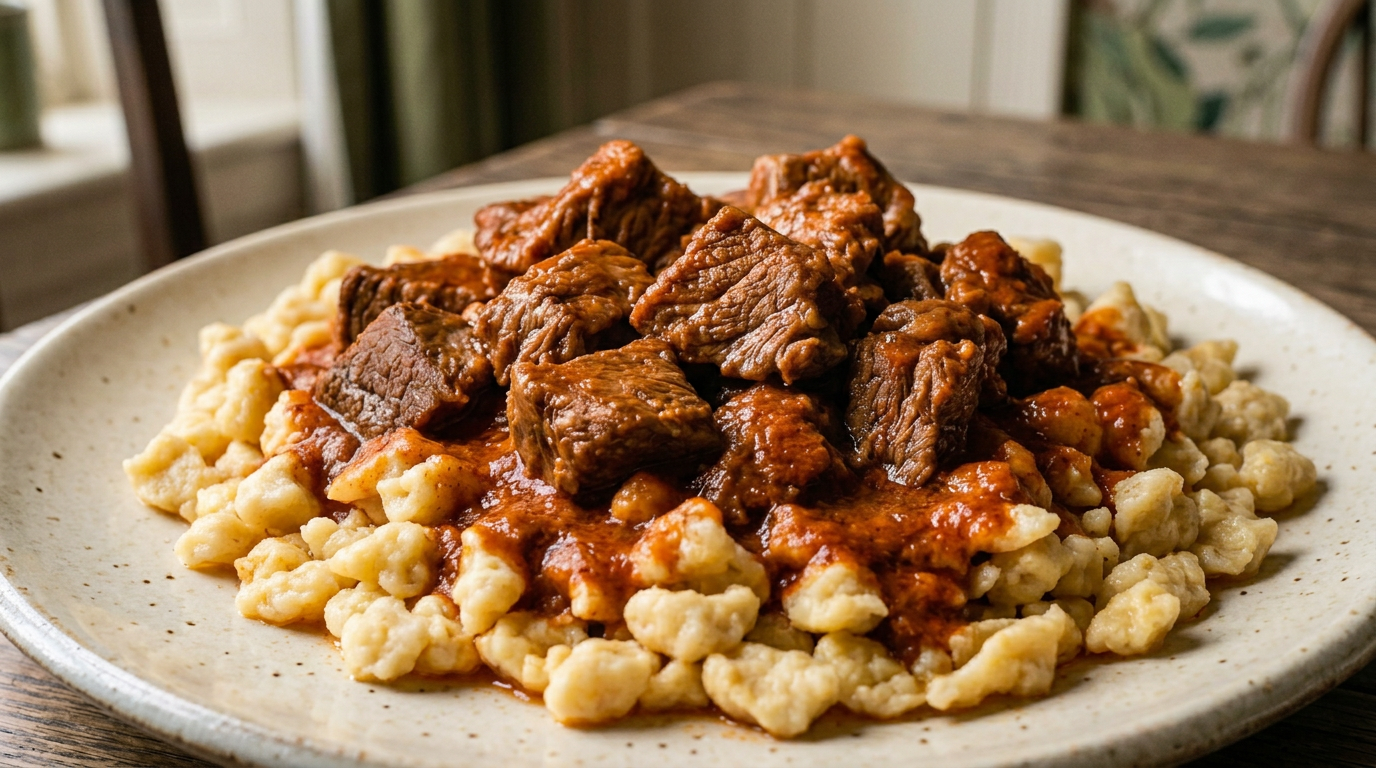
Deep red, richly spiced and wonderfully aromatic, Hungarian Beef Pörkölt brings a little drama to the Halloween dinner table. Its glossy paprika sauce, tender pieces of slow-braised beef and warming flavours make it a particularly inviting centrepiece for an evening of candlelit dining, good wine and beautifully prepared food.
A treasured part of Hungarian cuisine, Pörkölt is a dish built around the careful balance of sweet paprika, onions, peppers and succulent beef. Unlike the more familiar Hungarian goulash, which is traditionally a soup, Pörkölt develops into a thick, intensely flavoured sauce that coats every piece of meat.
For our Halloween collection, we’ve selected premium Irish beef shin from Butcher.ie. Slowly braised, this traditional cut becomes beautifully tender, while its natural richness gives the paprika sauce remarkable depth and a luxurious finish.
Presented in a beautiful serving dish, with delicate Hungarian egg dumplings and a scattering of fresh parsley, Pörkölt offers an elegant alternative for guests who appreciate discovering something new. Its dramatic colour, generous flavours and wonderful aroma make it a natural choice for a Halloween gathering where the food deserves as much attention as the occasion itself.
Ingredients
Serves 4–6 as a main course
- 1kg Irish Beef Shin from Butcher.ie, cut into 3–4cm pieces
- 3 large onions, finely chopped
- 2 red peppers, diced
- 3 garlic cloves, finely chopped
- 3 tablespoons Hungarian sweet paprika
- 1 teaspoon Hungarian hot paprika, optional
- 2 tablespoons pork lard or sunflower oil
- 2 ripe tomatoes, peeled and chopped
- 1 teaspoon caraway seeds, lightly crushed, optional
- 200ml water or light beef stock, plus extra if required
- Sea salt and freshly ground black pepper
- Fresh flat-leaf parsley, finely chopped, to finish
Method
1. Prepare the beef
Remove the beef shin from the fridge approximately 20 minutes before cooking. Pat dry with kitchen paper and cut into generous, evenly sized pieces.
Season lightly with sea salt and freshly ground black pepper.
2. Slowly cook the onions
Heat the pork lard or sunflower oil in a large, heavy-based casserole over a medium-low heat.
Add the finely chopped onions and cook gently for 15–20 minutes, stirring occasionally, until softened and golden.
The onions form the foundation of the sauce, gradually breaking down during cooking to create its characteristic richness.
3. Add the Hungarian paprika
Remove the casserole briefly from the heat before stirring in the sweet paprika and optional hot paprika.
Mix thoroughly with the softened onions, allowing the spices to release their fragrance without burning.
Return to a gentle heat and immediately add the beef, stirring to coat the pieces evenly in the paprika mixture.
4. Build the sauce
Add the chopped peppers, tomatoes, garlic and optional caraway seeds.
Stir gently and allow everything to cook together for approximately 5 minutes.
Pour in the water or light beef stock, using just enough liquid to prevent the ingredients from catching on the bottom of the casserole.
Pörkölt should braise in a relatively small amount of liquid rather than simmer in a large quantity of stock.
5. Slowly braise the beef
Cover with a tight-fitting lid and reduce the heat to low, maintaining a gentle simmer at approximately 90–95°C.
Allow the beef to cook gently for approximately 2½–3½ hours, stirring occasionally, until beautifully tender.
Alternatively, transfer the covered casserole to a preheated oven at 150°C conventional or 130°C fan for approximately 2½–3½ hours.
Add small amounts of hot water if necessary, ensuring the sauce remains thick and concentrated.
The beef is ready when it yields easily to a fork, typically at an internal temperature of approximately 90–95°C, and the onions have softened into a rich, glossy paprika sauce.
6. Finish and season
Remove the lid for the final 10–15 minutes if the sauce requires reducing.
Taste and adjust the seasoning with sea salt and freshly ground black pepper.
Finish with a light scattering of chopped parsley before serving.
The Butcher.ie Touch
Beef shin is one of the most rewarding cuts for slow cooking. Its generous connective tissue gradually transforms during gentle braising, producing beautifully tender beef and adding natural body to the sauce.
Our Irish beef shin is particularly well suited to Pörkölt, allowing the quality and depth of flavour of the meat to shine alongside the distinctive sweetness of Hungarian paprika.
For the finest result, resist the temptation to rush the cooking process. A gentle simmer allows the beef to become tender without drying out, while the onions and paprika develop into a wonderfully rich sauce.
It’s also an excellent dish to prepare a day ahead, as the flavours continue to develop overnight. Reheat gently before serving, adding a splash of water if necessary.
Serving Suggestions & Drinks Pairings
Traditionally, Hungarian Pörkölt is served with nokedli, small, soft Hungarian egg dumplings that are particularly good at absorbing the rich paprika sauce.
For a beautifully presented dinner, spoon the Pörkölt into warmed shallow bowls alongside freshly prepared nokedli, finishing with a little chopped parsley.
A simple cucumber salad dressed with vinegar provides a refreshing contrast to the richness of the beef.
Wine Pairing – Hungarian Egri Bikavér
For a traditional Hungarian pairing, choose an Egri Bikavér, often known as Bull’s Blood, from the Eger wine region.
This distinctive Hungarian red blend typically offers dark cherry and plum flavours, gentle spice and balanced acidity, making it an excellent companion to the richness of slow-braised beef and paprika.
Choose a medium-bodied expression with well-integrated tannins, allowing the wine to complement rather than overpower the dish.
Non-Alcoholic Pairing – Sour Cherry, Blackcurrant & Thyme Spritz
Combine chilled sour cherry juice with a small measure of unsweetened blackcurrant juice, a squeeze of fresh lemon and sparkling water.
Serve over ice with a fresh sprig of thyme and a few frozen cherries.
The natural tartness of the cherries provides a refreshing contrast to the richness of the beef, while the dark berry flavours complement the sweet paprika and savoury depth of the sauce.
With its beautifully tender Irish beef, fragrant Hungarian paprika and rich, slow-developed sauce, Pörkölt is a wonderful celebration of traditional European cooking. Served with soft egg dumplings and a thoughtfully chosen drink, it brings warmth, character and a touch of Hungarian hospitality to the Halloween table, proving that some of the most memorable dishes are those that allow exceptional ingredients and time-honoured techniques to speak for themselves.
Turkish Tavuk Kapama
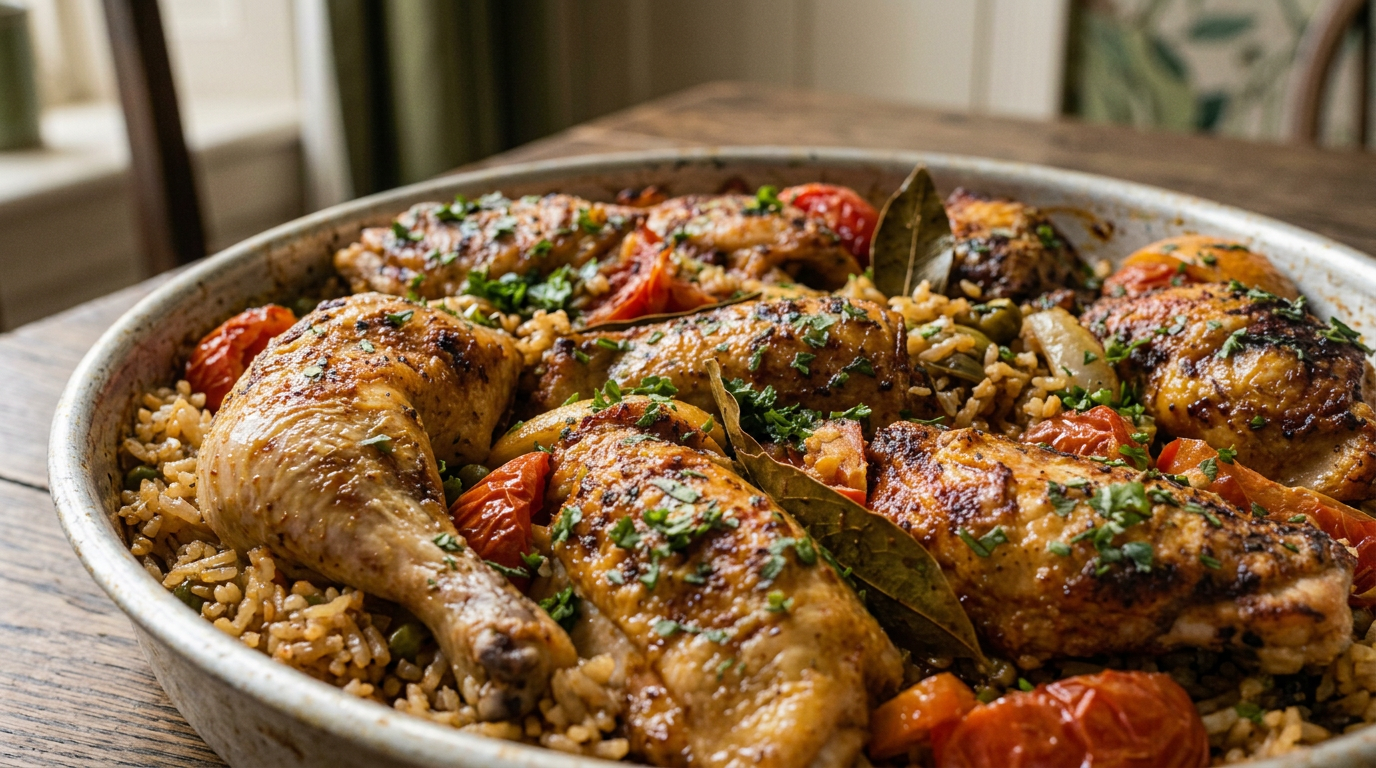
Golden, fragrant and beautifully presented, Turkish Tavuk Kapama is a wonderful example of how a few carefully chosen ingredients can create something truly special. Tender chicken, delicately spiced rice and rich, savoury cooking juices come together in a dish designed to be brought straight to the table and shared.
A traditional favourite in Turkish home cooking, Tavuk Kapama is particularly associated with the country’s Thrace region, where chicken and rice are baked together, allowing the grains to absorb the flavour of the meat and aromatic stock. The result is a beautifully balanced dish, with succulent chicken resting over a generous bed of golden rice.
For our Halloween collection, we’re using Irish free-range chicken legs from Butcher.ie. Cooking the chicken on the bone brings additional richness to the rice, while the skin becomes beautifully golden during roasting. It’s a dish that looks particularly inviting when presented in a large, shallow serving dish, surrounded by the warm glow of a beautifully dressed Halloween table.
With its delicate spices, generous presentation and wonderfully comforting flavours, Tavuk Kapama offers something different for guests who appreciate discovering the culinary traditions of other countries.
Ingredients
Serves 4 as a main course
- 4 Free Range Chicken Legs from Butcher.ie
- 300g long-grain rice, preferably Baldo or another suitable Turkish rice
- 1 large onion, finely chopped
- 3 garlic cloves, finely chopped
- 2 tablespoons olive oil
- 30g unsalted butter
- 600ml hot chicken stock, approximately
- 1 teaspoon sweet paprika
- ½ teaspoon ground cumin, optional
- ½ teaspoon dried thyme
- 1 bay leaf
- Sea salt and freshly ground black pepper
- Fresh flat-leaf parsley, finely chopped, to finish
- Lemon wedges, to serve
Method
1. Prepare the chicken
Preheat the oven to 200°C conventional or 180°C fan.
Pat the chicken legs dry with kitchen paper and season generously with sea salt, freshly ground black pepper, sweet paprika and dried thyme.
Allow the chicken to rest for approximately 15 minutes while preparing the remaining ingredients.
2. Brown the chicken
Heat one tablespoon of olive oil in a large, ovenproof frying pan or shallow casserole over a medium-high heat.
Place the chicken legs skin-side down and cook for approximately 5–7 minutes until the skin develops a beautiful golden colour.
Turn and cook for a further 3 minutes, then remove from the pan and set aside.
The chicken does not need to be fully cooked at this stage, as it will finish cooking in the oven.
3. Prepare the aromatic rice
Reduce the heat to medium and add the remaining olive oil and butter to the same pan.
Add the finely chopped onion and cook gently for 5–7 minutes until softened and translucent.
Stir in the garlic and optional cumin, cooking for a further minute until fragrant.
Add the rice and stir gently for 2 minutes, allowing the grains to become lightly coated in the aromatic butter and cooking juices.
4. Assemble the Tavuk Kapama
Pour the hot chicken stock over the rice, add the bay leaf and season lightly with sea salt and black pepper.
Stir once to distribute the ingredients evenly, then arrange the browned chicken legs over the rice, skin-side up.
The chicken should sit slightly above the liquid, allowing the skin to remain exposed during roasting.
5. Bake until golden
Transfer the pan to the preheated oven and bake uncovered for approximately 35–45 minutes.
Check after 25 minutes and add a little hot stock if the rice is drying out before becoming tender. If the surface is browning too quickly, cover loosely with foil.
The chicken should be beautifully golden and reach a minimum internal temperature of 75°C at the thickest part, avoiding the bone.
The rice should be tender, fluffy and infused with the rich cooking juices.
6. Rest and finish
Remove the dish from the oven and allow it to rest for approximately 10 minutes.
Gently fluff the rice around the chicken with a fork, taking care not to break the grains.
Finish with a scattering of fresh flat-leaf parsley and serve with lemon wedges.
The Butcher.ie Touch
The secret to exceptional Tavuk Kapama is cooking the chicken on the bone. Our Irish free-range chicken legs are particularly well suited to this traditional preparation, offering beautifully succulent meat and natural richness that gradually infuses the rice as it cooks.
Browning the chicken before roasting helps develop a golden finish, while allowing the rice to absorb the savoury juices creates a depth of flavour that would be difficult to achieve using boneless chicken.
For the best result, use a wide, shallow ovenproof dish so the rice cooks evenly and the chicken has plenty of room to develop its beautiful colour.
Serving Suggestions & Drinks Pairings
Present Tavuk Kapama in a large, shallow ceramic serving dish, with the golden chicken arranged over the fragrant rice and finished with fresh parsley and lemon wedges.
A traditional Turkish çoban salatası, made with finely chopped tomatoes, cucumber, peppers, red onion and parsley, provides a wonderfully fresh contrast to the richness of the chicken.
For Halloween entertaining, a table dressed with warm candlelight, seasonal foliage and beautiful ceramics complements the golden tones of the dish without distracting from the food itself.
Wine Pairing – Turkish Narince
A dry Turkish Narince from the Tokat region is an elegant accompaniment to Tavuk Kapama. Known for its fresh citrus and orchard-fruit character, balanced acidity and delicate texture, Narince complements the succulent chicken and aromatic rice without overwhelming their flavours.
Choose a lightly oaked or unoaked expression to preserve the wine’s freshness and allow the natural richness of the chicken to shine.
Non-Alcoholic Pairing – Pomegranate, Lemon & Fresh Mint Cooler
Combine chilled pomegranate juice with freshly squeezed lemon juice, a few lightly bruised mint leaves and sparkling water.
Serve over ice in a tall glass, garnished with a thin lemon slice, fresh mint and a scattering of pomegranate seeds.
The pomegranate’s gentle tartness and the freshness of the lemon provide a lovely contrast to the buttery rice and roasted chicken, creating a refreshing accompaniment that feels perfectly suited to an evening of entertaining.
With its golden roasted chicken, fragrant rice and beautifully balanced flavours, Tavuk Kapama brings the generosity of Turkish hospitality to the Halloween table. Presented as a centrepiece and accompanied by thoughtfully chosen drinks, it’s a wonderful reminder that exceptional Irish ingredients can bring the culinary traditions of another country to life, creating a dining experience that’s both memorable and delicious.
New Zealand Māori Pork Boil-Up
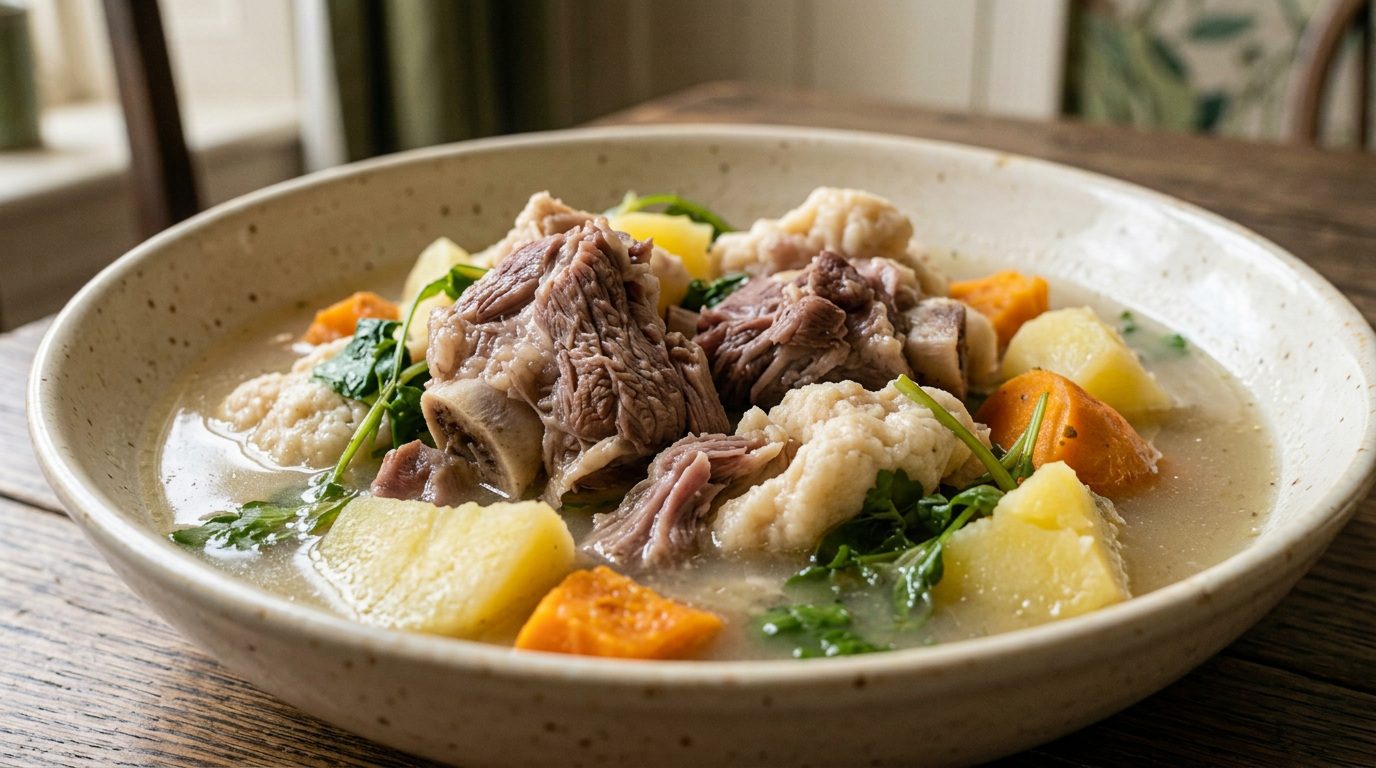
Few dishes reflect the traditions of Māori home cooking quite like Pork Boil-Up. Generous pieces of pork are slowly simmered with potatoes, kūmara, leafy greens and soft flour dumplings known as doughboys, creating a deeply savoury broth that brings every ingredient together.
A cherished part of Māori food culture in New Zealand, boil-up is a dish rooted in family, community and the pleasure of sharing a meal. Its ingredients reflect the meeting of Māori food traditions with foods introduced through European settlement, evolving into the much-loved dish enjoyed in homes throughout Aotearoa New Zealand today.
For our Halloween collection, we’re using free-range pork hocks from Butcher.ie. Slowly simmered on the bone, the pork releases its natural richness into the broth, while the meat becomes wonderfully tender. The addition of sweet kūmara, earthy potatoes and fresh greens creates a beautifully balanced dish, with the soft dumplings absorbing the flavourful cooking liquid.
Served in generous bowls, with tender pork, colourful vegetables and a fragrant broth, Māori Pork Boil-Up offers something genuinely different for a Halloween gathering, inviting guests to discover a traditional dish that celebrates good ingredients and the importance of sharing food.
Ingredients
Serves 4–6 as a main course
For the Pork and Broth
- 2 Free Range Pork Hocks from Butcher.ie
- 2 litres cold water, approximately, plus extra if required
- 2 large potatoes, peeled and cut into generous pieces
- 2 medium kūmara (sweet potatoes), peeled and cut into chunks
- 1 large bunch fresh watercress, thoroughly washed
- 1 small bunch pūhā, if available, or additional watercress
- 1 large onion, peeled and quartered, optional
- Sea salt and freshly ground black pepper
For the Doughboys
- 250g plain flour
- 2 teaspoons baking powder
- ½ teaspoon sea salt
- Approximately 150ml cold water
Method
1. Prepare the pork
Place the pork hocks in a large, heavy-based stockpot and cover with approximately 2 litres of cold water, ensuring the meat is fully submerged.
Bring gradually to a gentle boil over a medium-high heat, then reduce the heat to maintain a steady simmer at approximately 90–95°C.
Skim away any foam that rises to the surface during the first 15–20 minutes of cooking.
2. Slowly simmer the pork
Partially cover the pot and allow the pork hocks to simmer gently for approximately 2–2½ hours, depending on their size.
The meat should gradually become tender and begin to loosen from the bone, while the cooking liquid develops into a rich, naturally flavoured broth.
Add a little hot water if necessary to keep the pork submerged.
3. Prepare the vegetables
Peel the potatoes and kūmara, cutting them into generous, evenly sized pieces.
Wash the watercress thoroughly, removing any particularly tough stems.
If using pūhā, prepare the leaves and tender stems carefully, washing thoroughly and rubbing them gently under running water to reduce their natural bitterness.
4. Add the potatoes and kūmara
Once the pork is nearly tender, add the potatoes, kūmara and optional onion to the simmering broth.
Continue cooking gently for approximately 15–20 minutes, until the vegetables are beginning to soften but still hold their shape.
5. Prepare the doughboys
While the vegetables cook, combine the flour, baking powder and salt in a mixing bowl.
Gradually add the cold water, mixing gently until a soft, slightly sticky dough forms.
Avoid overworking the dough, as this can make the finished dumplings heavy.
Divide into approximately 8–10 small portions and shape into rough balls.
6. Cook the greens and dumplings
Add the prepared watercress and pūhā to the pot, gently pressing the greens into the broth.
Carefully lower the doughboys into the simmering liquid, leaving enough space for them to expand.
Cover and cook for approximately 12–15 minutes, until the dumplings are light and cooked through.
Avoid lifting the lid repeatedly, as the trapped steam helps the dumplings cook evenly.
7. Finish and serve
Check that the pork is beautifully tender and separates easily from the bone.
Season the broth lightly with sea salt and freshly ground black pepper, allowing the natural flavour of the pork and vegetables to remain the focus.
For easier serving, lift the hocks from the pot, remove the bones and divide the meat into generous portions, discarding excess skin if preferred.
Arrange the pork, potatoes, kūmara, greens and doughboys in warmed bowls, then ladle over the fragrant broth.
Serve immediately.
The Butcher.ie Touch
Pork hock is a wonderfully rewarding traditional cut, particularly when given the time to cook slowly. Its combination of meat, skin, bone and connective tissue creates a naturally rich broth, while the pork becomes beautifully tender during gentle simmering.
Our free-range pork hocks are ideal for this preparation, bringing excellent flavour to a dish that relies on the quality of its central ingredient rather than elaborate seasoning.
The key is patience. Allowing the pork to simmer gently ensures the meat softens gradually while the broth develops its distinctive depth.
For the best results, prepare the pork and broth earlier in the day, then add the vegetables, greens and freshly made doughboys shortly before serving.
Serving Suggestions & Drinks Pairings
Māori Pork Boil-Up is traditionally a generous, informal meal, with the meat, vegetables, greens and dumplings served together in their savoury broth.
For a Halloween gathering, present the dish in beautiful deep ceramic bowls, allowing the colours of the golden kūmara, fresh greens and tender pork to stand out.
Warm crusty bread can be offered alongside, although the traditional doughboys already provide a wonderfully satisfying accompaniment.
Wine Pairing – New Zealand Pinot Noir
A New Zealand Pinot Noir from Central Otago makes a lovely accompaniment to Pork Boil-Up.
Its bright cherry and red-berry flavours, gentle earthy notes and refreshing acidity complement the richness of the pork while remaining delicate enough for the lightly seasoned broth.
Choose an elegant, lightly oaked expression with soft tannins, allowing the natural flavours of the meat and vegetables to remain at the centre of the experience.
Non-Alcoholic Pairing – Apple, Ginger & Lemon Spritz
Combine chilled cloudy apple juice with a small measure of freshly squeezed lemon juice, a little grated fresh ginger and sparkling water.
Serve over ice with thin apple slices and a sprig of fresh mint.
The crisp apple and gentle warmth of ginger provide a refreshing contrast to the richness of the pork, while the lemon adds brightness to the earthy flavours of the vegetables and greens.
With its tender free-range Irish pork, nourishing vegetables and beautifully flavoured broth, Māori Pork Boil-Up offers a fascinating introduction to the food traditions of New Zealand. Rich in cultural heritage and centred on the pleasure of sharing, it’s a distinctive addition to our Halloween collection, bringing a sense of generosity, warmth and discovery to the table.
Chinese Hong Shao Rou
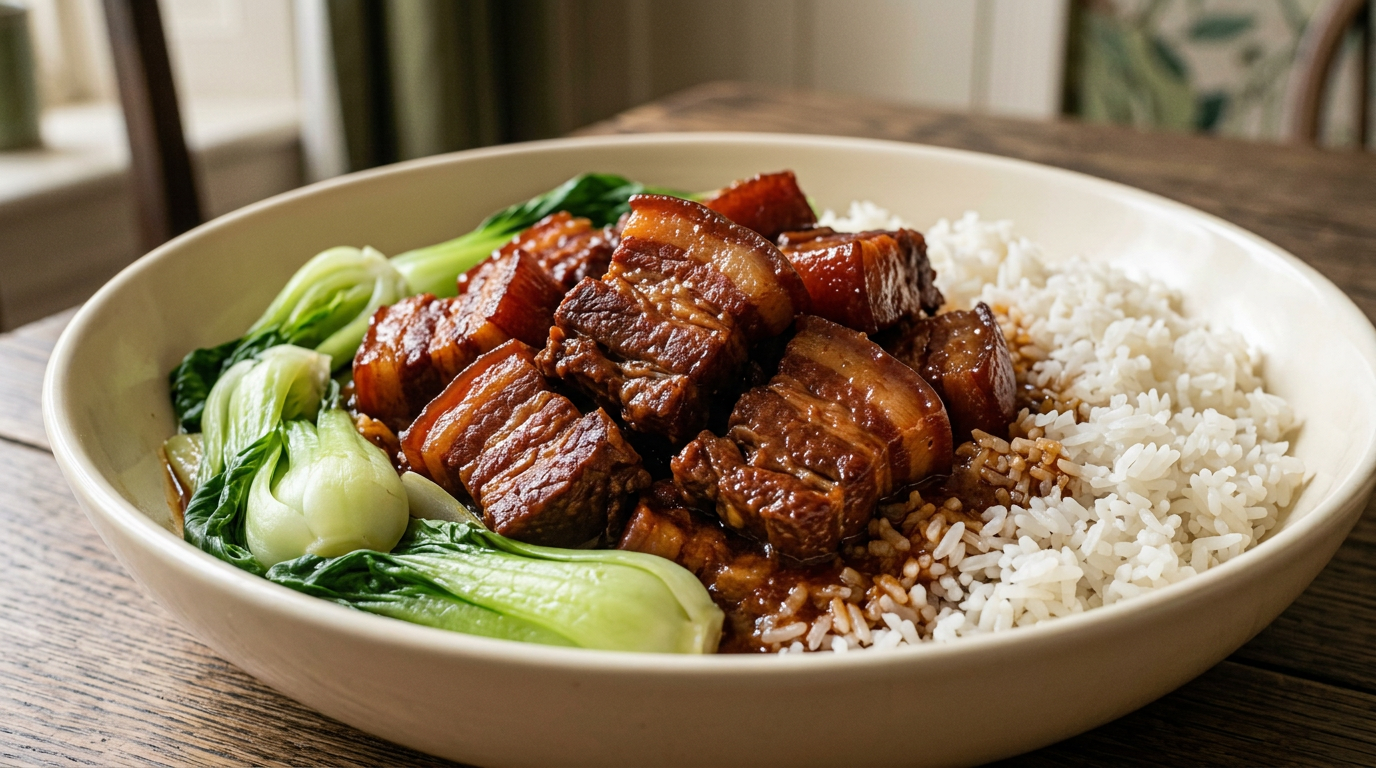
Glossy, richly coloured and irresistibly tender, Chinese Hong Shao Rou brings a striking sense of occasion to the Halloween dinner table. Generous pieces of pork belly are slowly braised in soy sauce, Shaoxing rice wine, ginger and aromatic spices until beautifully succulent, before being coated in a deep mahogany glaze that catches the light with every turn.
Known as red-braised pork belly, Hong Shao Rou is one of China’s most celebrated traditional pork dishes, particularly associated with the cooking of eastern China, including Shanghai and the surrounding regions. Its distinctive colour comes from the combination of caramelised sugar and dark soy sauce, while gentle braising transforms the pork into wonderfully tender pieces with a rich, savoury-sweet finish.
For our Halloween collection, we’re using premium Irish free-range pork belly from Butcher.ie. With its beautiful layers of meat and fat, pork belly is exceptionally well suited to this traditional cooking method. As the meat slowly braises, the fat softens, the connective tissue becomes tender and the aromatic cooking liquid develops into a luxurious glaze.
The finished dish is particularly impressive when presented in a beautiful ceramic serving bowl, its deep red-brown colour complemented by delicate green vegetables and fragrant steamed rice. For guests who enjoy exploring international flavours, Hong Shao Rou offers a memorable introduction to the elegance and depth of traditional Chinese cooking.
Ingredients
Serves 4–6 as a main course
- 1kg Free Range Pork Belly from Butcher.ie, preferably skin-on, cut into 3–4cm cubes
- 3 tablespoons light soy sauce
- 1½ tablespoons dark soy sauce
- 3 tablespoons Shaoxing rice wine
- 40g rock sugar or caster sugar
- 5cm piece fresh ginger, sliced
- 3 spring onions, cut into large pieces
- 2 star anise
- 1 small cinnamon stick
- 2 tablespoons vegetable oil
- 500–700ml hot water, approximately
- Sea salt, only if required
To Serve
- Steamed jasmine rice
- Steamed pak choi or tenderstem broccoli
- 2 spring onions, finely sliced
- A small scattering of toasted sesame seeds, optional
Method
1. Prepare the pork belly
Cut the pork belly into generous, evenly sized cubes, approximately 3–4cm across, keeping the skin attached if using skin-on pork.
Bring a large saucepan of water to the boil and carefully add the pork.
Blanch for approximately 3–5 minutes, allowing any impurities to rise to the surface.
Drain thoroughly, rinse briefly under warm water and pat the pork dry with kitchen paper.
This traditional preparation helps produce a cleaner, more refined braising liquid.
2. Caramelise the sugar
Heat the vegetable oil in a heavy-based casserole or deep frying pan over a medium-low heat.
Add the rock sugar or caster sugar and allow it to melt gradually, stirring gently until it develops a rich amber colour.
Take care not to let the sugar become too dark, as it can quickly turn bitter.
3. Coat the pork
Carefully add the blanched pork belly to the caramel, taking care as the mixture may spit.
Turn the pieces gently for approximately 3–5 minutes, allowing them to become evenly coated and lightly coloured.
Add the sliced ginger, spring onions, star anise and cinnamon stick, stirring for a further minute until fragrant.
4. Build the braising sauce
Pour in the Shaoxing rice wine, followed by the light and dark soy sauces.
Stir gently to combine, then add enough hot water to come almost to the top of the pork.
Bring the liquid to a gentle simmer, allowing the aromatics and sauces to combine.
5. Slowly braise the pork
Cover the casserole with a tight-fitting lid and reduce the heat to low, maintaining a gentle simmer at approximately 90–95°C.
Cook for approximately 1½–2 hours, turning the pork occasionally, until the meat is beautifully tender and the layers of fat have softened.
Alternatively, transfer the covered casserole to a preheated oven at 160°C conventional or 140°C fan for approximately 1½–2 hours.
Check occasionally and add a little hot water if necessary to prevent the sauce from reducing too quickly.
The pork should be tender enough to yield easily when pressed with a fork while still retaining its shape.
6. Reduce the glaze
Once the pork is tender, remove the lid and carefully lift out the star anise, cinnamon and large pieces of spring onion.
Increase the heat to medium and simmer uncovered for approximately 10–20 minutes, turning the pork gently as the liquid reduces.
The sauce should gradually become thick, glossy and beautifully concentrated, coating each piece of pork in a rich mahogany glaze.
Watch carefully during the final minutes, as the sugar can catch once the sauce begins to thicken.
7. Finish and serve
Transfer the glazed pork belly to a warmed ceramic serving bowl, arranging the pieces neatly and spooning over the remaining sauce.
Finish with finely sliced spring onions and a light scattering of toasted sesame seeds, if desired.
Serve immediately with steamed jasmine rice and fresh green vegetables.
The Butcher.ie Touch
The secret to exceptional Hong Shao Rou lies in choosing pork belly with a beautiful balance of lean meat and fat. These natural layers are essential to the dish, gradually softening during slow cooking to create its characteristic tenderness and luxurious texture.
Our Irish free-range pork belly is particularly well suited to this preparation, allowing the natural flavour of quality pork to complement the aromatic soy, ginger and Shaoxing wine.
For the best result, choose a piece with evenly distributed layers and keep the skin attached where possible. The skin becomes wonderfully soft during braising and contributes to the rich texture of the finished dish.
The final reduction is equally important. Allowing the braising liquid to become a glossy glaze gives Hong Shao Rou its distinctive appearance and concentrates the beautifully balanced savoury and sweet flavours.
Serving Suggestions & Drinks Pairings
Present Hong Shao Rou in a deep, dark ceramic serving bowl, allowing the rich mahogany glaze to contrast beautifully with fresh green spring onions.
Serve alongside fluffy jasmine rice and lightly steamed pak choi or tenderstem broccoli. The freshness of the vegetables and simplicity of the rice provide a lovely balance to the richness of the pork.
For Halloween entertaining, the dish looks particularly striking against a table dressed in deep burgundy, warm amber and natural textures, with candlelight highlighting the glossy finish of the pork.
Wine Pairing – German Riesling
A German Riesling from the Mosel region makes an elegant accompaniment to Hong Shao Rou.
Choose a lightly off-dry style with refreshing acidity, delicate sweetness and notes of green apple, citrus and stone fruit.
The wine’s natural freshness cuts through the richness of the pork belly, while its gentle sweetness complements the caramelised glaze and balances the savoury depth of the soy sauce.
Serve well chilled to provide a refreshing contrast to the warm, aromatic dish.
Non-Alcoholic Pairing – Lychee, Ginger & Lime Spritz
Combine chilled lychee juice with freshly squeezed lime juice, a little fresh ginger and sparkling water.
Serve over ice in a tall glass, garnished with a thin slice of lime and a fresh lychee, if available.
The delicate floral sweetness of lychee complements the caramelised glaze, while the lime and ginger bring freshness and gentle spice, balancing the richness of the pork beautifully.
With its deep mahogany glaze, delicate aromatics and beautifully tender Irish pork belly, Hong Shao Rou makes a spectacular addition to a Halloween dinner party. The contrast of rich colour, fragrant spices and carefully balanced flavours creates a dish that feels both indulgent and beautifully considered.
It’s a wonderful example of how traditional Chinese cooking techniques can transform an exceptional Irish butcher’s cut into something extraordinary, bringing a memorable taste of China to the Halloween table.


